
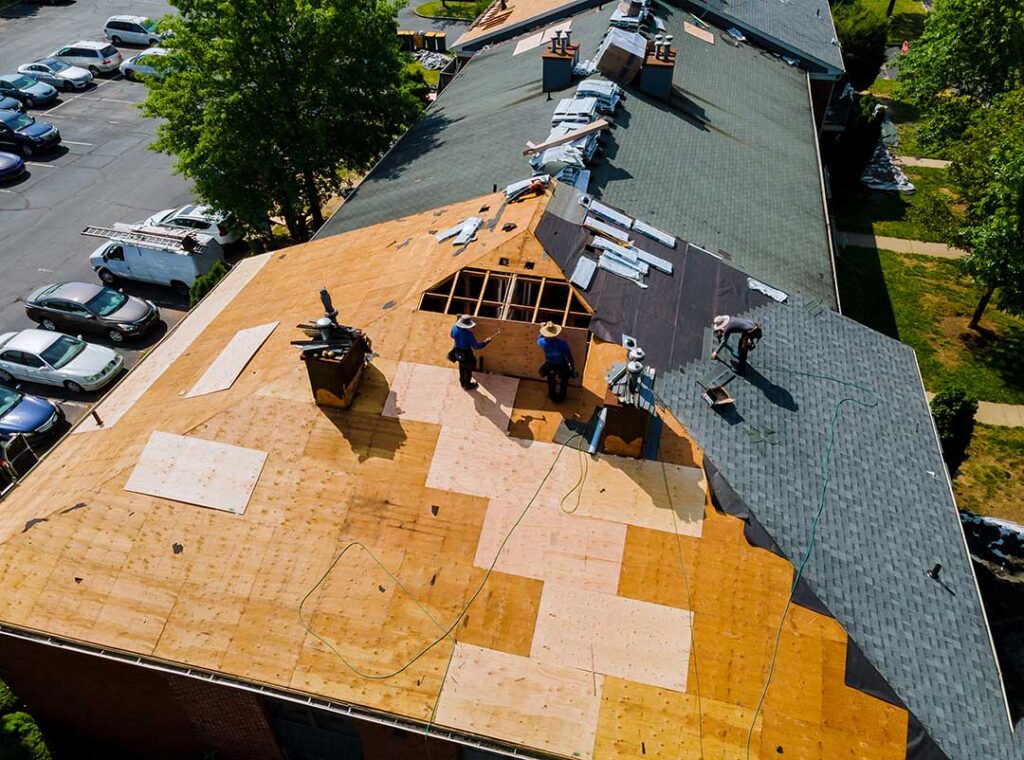
What Is Roof Flashing?
Roof flashing is a thin material, usually metal, installed at key areas on a roof to direct water away from seams and joints. Its job is to prevent water from sneaking into spots where roofing surfaces meet elements like chimneys, walls, or skylights. In Baldwinsville, NY, where rain, snow, and ice are common, reliable flashing is crucial to protecting the structure and longevity of local homes.
Flashing can be found at valleys (where two roof planes meet), around roof penetrations such as vents and chimneys, along roof edges, and anywhere a vertical surface intersects with the roof. Its main purpose is to keep moisture out and ensure weather resistance at some of the most vulnerable spots on a roof.
Why Is Flashing Critical in the Local Climate?
The freeze-thaw cycles, steady precipitation, and heavy snow typical of Baldwinsville winters put significant stress on roofs. Water can easily find its way into even tiny gaps created by the expansion and contraction of building materials. Flashing acts as a shield in these pressure points, channeling moisture away before it enters the home.
Ice dams are another concern, as blocked gutters and trapped snow can push water backward under shingles. Properly installed flashing helps keep this water from causing leaks, rot, or mold in the attic or ceilings, which are problems that sometimes go unnoticed until repairs become much more involved.
What Types of Roof Flashing Are Common?
Several forms of flashing are used, depending on roof design and local construction habits:
- Step flashing: Used where the roof meets vertical walls, like those of dormers or chimneys. The metal pieces overlap each other in a step pattern to guide water away from seams.
- Valley flashing: Protects roof valleys, where the risk of heavy runoff is greatest.
- Chimney flashing: Includes several pieces—such as base, counter, and saddle flashing—designed to protect the complex joints around chimneys.
- Drip edge flashing: Installed at eaves and gable ends to keep water from seeping into the wood beneath shingles.
- Vent pipe flashing: Forms a seal around pipes that penetrate the roof, preventing leaks at these vulnerable points.
In Baldwinsville, galvanized steel and aluminum are often chosen for their durability in harsh weather, but copper is sometimes used for higher-end projects or for its long life span.
What Can Happen If Flashing Fails?
Aged, damaged, or improperly installed flashing is a common cause of leaks in area homes. Signs of trouble might include:
- Water stains on ceilings or attic rafters
- Peeling paint or plaster on upper walls near the roofline
- Musty smells, which may indicate trapped moisture or mold
Left unresolved, these relatively subtle issues can become much more serious. Moisture can rot wooden framing, damage insulation, and encourage unhealthy mold growth. In winter, leaks can also cause dangerous ice buildup inside wall cavities.
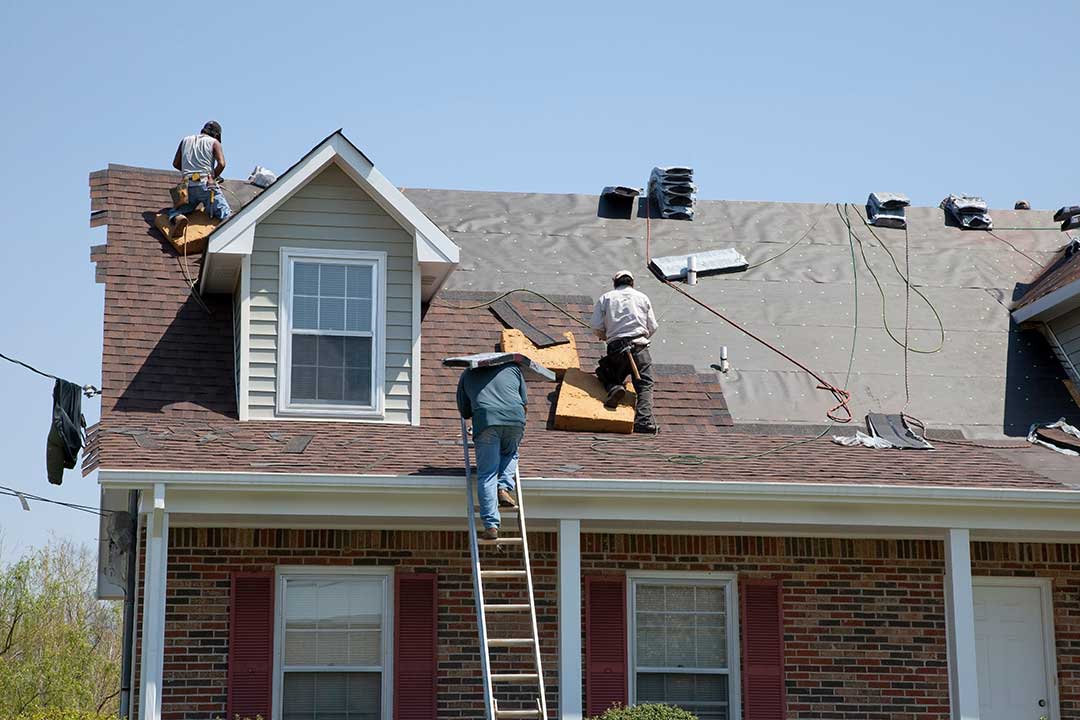
Local homes with older roofs, especially those with multiple roof features—or complex designs—are at greater risk. It’s often during a seasonal melt or after wind-driven rain that problems become most apparent.
How Can Residents Inspect and Maintain Roof Flashing?
Direct inspection is the most practical step for local households. Clear days in late spring or early fall are best for looking at the roof safely from above or below:
- From the ground, look for rust streaks, bent metal, or areas where flashing appears to be loose or detached.
- In the attic, check for damp insulation, discoloration, or daylight peeking through at joints.
Safety is a top priority. Climbing onto a roof is risky—especially in icy or windy conditions—and is best left to those with the right safety experience. However, regular visual checks from ladder level or with binoculars can spot obvious issues early.
Keeping gutters clear and ensuring proper attic ventilation also reduce the chances of water or ice working its way under flashing or shingles, lessening the load on these important areas.
Are There Common Myths or Misunderstandings About Flashing?
A frequent misconception is that new or recently repaired roofs do not need attention to flashing. In reality, even new installations can have vulnerable points if flashing was installed incorrectly, or where materials have shifted over time. Flashing isn’t a one-time fix; it’s part of the ongoing care routine for any roof in Baldwinsville.
Another overlooked factor is caulking or roofing cement. While these can help seal gaps in the short term, they are not substitutes for correctly installed and maintained metal flashing. Overuse of temporary sealants instead of proper flashing can trap water, causing bigger problems down the line.
What Should Local Households Know Before Tackling Repairs?
Small issues—like reseating a lifted piece of flashing or replacing a missing nail—may be manageable for handy residents with safe access and knowledge of roofing work. Larger repairs, especially those involving chimneys, valleys, or multiple joints, often require more experience and tools to do the job correctly and safely. Repeated leaks or water damage inside the home signal a need for more thorough assessment, as the visible problem may be only part of a larger moisture issue.
Proper flashing is subtle but essential for area homes, offering quiet protection year-round against the changing local climate. Regular attention to these details helps preserve the structure, safety, and comfort of homes across Baldwinsville.
