

What Should You Do First If You Notice a Leak?
If you spot a roof leak, act quickly to minimize water damage inside your home. Immediately contain the water and reduce risks by moving items out of harm’s way and catching drips.
It’s common for leaks to announce themselves during heavy rain or snowmelt. Placing a bucket or large bowl under active drips, and laying down towels or tarps, can prevent floors and belongings from additional water exposure. Look for bulging spots or dark patches on ceilings—these indicate hidden reservoirs of water, which may require careful draining to avoid collapse. Pierce a small hole in the lowest point of a bulging ceiling bubble with a screwdriver to safely let the water out into your container if needed.
How Do You Find the Source of a Roof Leak?
Pinpointing the origin of a leak is often more challenging than spotting its signs. Water can travel far from its entry point before appearing indoors.
Begin by carefully inspecting your attic or the area directly above the leak. Look for:
- Wet insulation or framing
- Discolored wood
- Water stains running down rafters or walls
Roof leaks in Baldwinsville homes are often caused by ice dams in winter, dislodged shingles after windstorms, compromised flashing around chimneys and vents, or clogged gutters leading to water backup. After a period of bad weather, start your investigation at these vulnerable spots. On a dry day, a garden hose can help simulate rain to trace the leak—but avoid this if the weather is freezing or if the roof is unsafe to walk on.
Can You Temporarily Stop a Roof Leak Yourself?
Basic, temporary measures may slow down active leaks until a permanent repair is possible. Once it’s safe, cover the roof area above the leak with a heavy-duty tarp, anchoring all sides tightly to prevent wind from lifting it.
Apply tape or roofing cement indoors only if the situation requires a rapid response and it’s possible to reach the exact site. Always avoid climbing onto steep, wet, or icy roofs found in the area, as falls are a serious hazard. Never attempt repairs during a storm or if you have concerns about your safety or the electrical system.
What Precautions Should You Take When Dealing With a Leak?
Avoiding unnecessary damage and staying safe are both priorities when managing a leak. Shut off power to sections of the home where water may come into contact with electrical wiring or fixtures.
Move rugs, electronics, and artwork away from affected areas. If you find standing water on floors, dry it up as soon as possible to prevent slips. Prolonged wetness can also encourage mold growth and attract pests, which are more common in damp, poorly ventilated spaces typical of attics and upstairs rooms.
When Is It Necessary to Seek Outside Help?
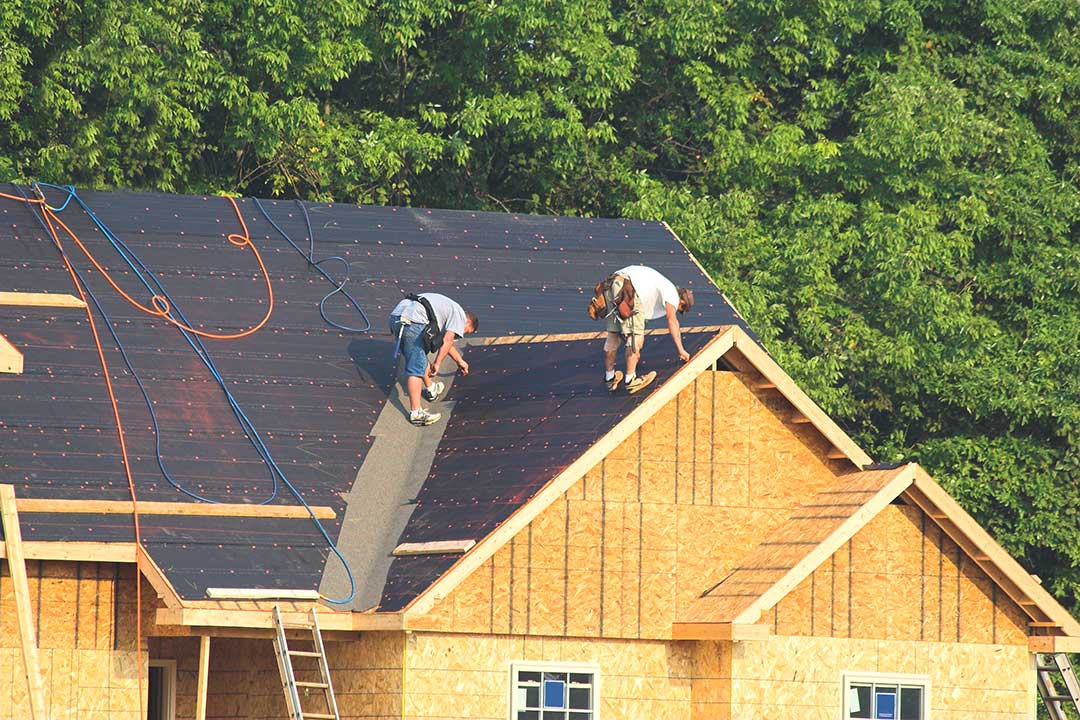
Handling a minor drip is manageable for many homeowners, but certain situations require specialized knowledge or equipment. If you observe:
- Structural damage (such as sagging roof framing)
- Signs of extensive rot or mold
- Suspected electrical hazards (sparking, buzzing, or wet breaker boxes)
—it's safer to consult local code enforcement, a certified inspector, or a qualified tradesperson. Roofs in the community can feature steep pitches, complex venting, or unique underlayment designs that complicate repairs, especially after major storms.
Storm-related leaks may also be covered by homeowner insurance. If you think the damage is significant, document everything with photos and notes and check your policy before beginning repairs beyond containment.
How Can You Minimize Recurrence and Long-Term Damage?
After stopping an active leak, focus on thoroughly drying wet building materials and belongings. Open windows for ventilation when weather permits, use fans and dehumidifiers in affected rooms, and discard saturated insulation that cannot be dried.
Schedule a careful roof inspection as soon as practical—many leaks are signs of underlying age, weathering, or missed maintenance, rather than just a single bad shingle. In Baldwinsville, roofs face snow loads, ice dams, and autumn leaf buildup, making annual roof and gutter maintenance particularly helpful in preventing reoccurrence.
Anticipate future weather by keeping gutters clear, trimming back overhanging trees, and checking attic insulation and ventilation before winter, as these steps deter both ice dams and hidden leaks.
