
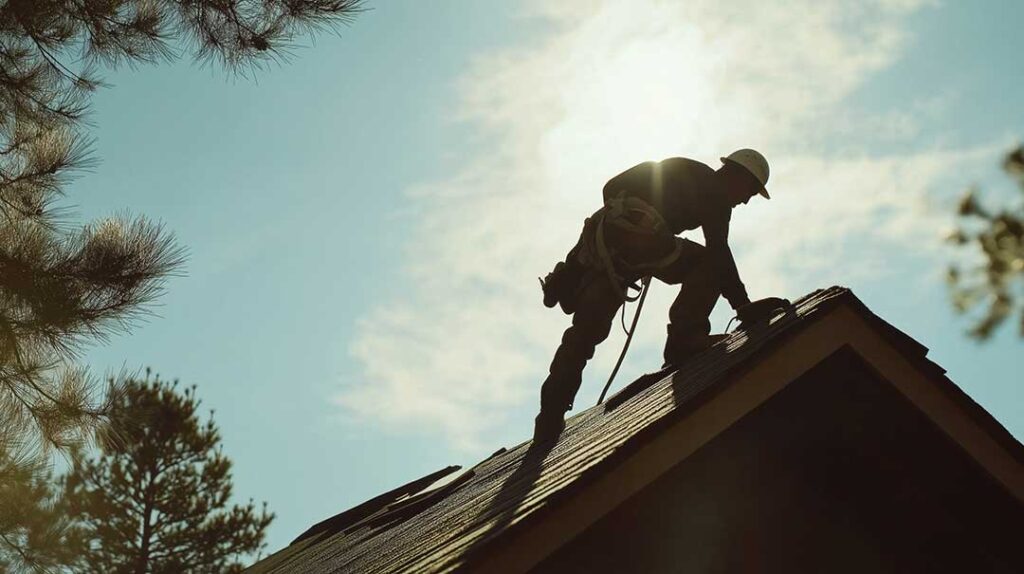
What’s the Basic Difference Between Re-Roofing and Roof Replacement?
Re-roofing and roof replacement describe two different ways of addressing an aging or leaking roof. Re-roofing is the process of installing a new layer of shingles over an existing layer, while roof replacement involves removing the old roofing materials down to the deck and installing new shingles from scratch.
For homeowners in Baldwinsville, this distinction affects not only cost and project length but also how long you can expect your roof to last—especially considering the area’s cold winters, wet springs, and fluctuations between hot and freezing temperatures.
When Is Re-Roofing an Option?
Re-roofing is mainly considered when the existing roof still has only one layer of shingles and has not suffered extensive water damage, rot, or structural issues. Local homes built within the last few decades that have a single asphalt shingle roof are often candidates for this method if they show age, curling, or mild leaks, but no widespread damage.
Most building codes—including those relevant for Baldwinsville—typically allow only one additional layer of shingles. This is partly due to weight concerns on rafters exposed to lake-effect snow and ice accumulation.
Re-roofing is meant for situations where:
- The roof structure is sound.
- There is just one shingle layer in place.
- The main problems are wear, minor leaks, or cosmetic defects.
- Homeowners want a relatively quick, less disruptive fix.
It’s important to understand that re-roofing does not address issues beneath the shingles. If underlying decking or insulation has mold or moisture damage, that will remain hidden and could worsen over time.
What Is Roof Replacement and When Is It Necessary?
Roof replacement is the process of stripping off all the existing shingles and underlayments down to the wood deck, checking for damage, then rebuilding the roofing layers. This is considered a “full teardown” and provides an opportunity to address any issues hiding out of sight.
In Baldwinsville, roof replacement is generally needed when:
- There are already two layers of shingles.
- Shingles are severely worn, missing, or damaged by wind or ice storms.
- There are persistent leaks, soft spots, or visible sagging.
- The roof deck has been compromised by rot or mold (sometimes discovered only after old shingles are removed).
Because roofers inspect the decking, they can replace any wood that’s deteriorated—common in the region due to cycles of ice damming and snowmelt. Roof replacement also allows for upgrades in insulation or ventilation, which can make a real difference in heating bills throughout Baldwinsville’s winter months.
What Are the Pros and Cons of Each Method for Local Homeowners?
Both re-roofing and replacement have distinct pros and cons, often influenced by the type of roofing style and the age of homes common in the city.
Re-roofing Pros:
- Quicker process and less noisy/disruptive.
- Lower cost than a full replacement.
- Less debris generated, which may be relevant on smaller village lots.
Re-roofing Cons:
- Additional weight on rafters, especially a concern with older framing.
- No chance to fix or even see what’s happening under the old shingles.
- Shorter expected lifespan compared to a new roof and may not be permitted if there are already two layers.
- Warranty coverage is usually more limited.
Roof Replacement Pros:
- Complete inspection and repair of roof deck and flashing.
- Opportunity to upgrade underlayment, ice/water barriers, or attic ventilation.
- Allows addressing leaks caused by hidden water damage—a real factor after harsh winters.
- Longer-lasting results, often with stronger warranty terms.
Roof Replacement Cons:
- Takes longer and can be more disruptive.
- Typically costs more due to labor and disposal fees.
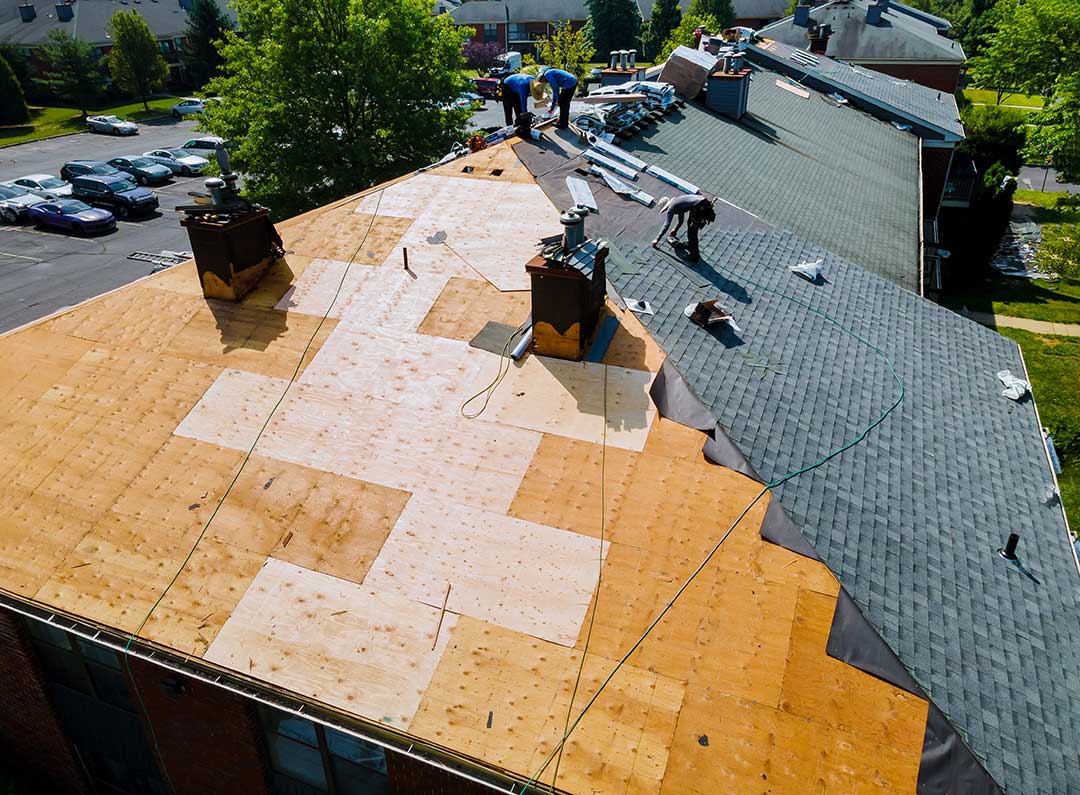
Which Choice Lasts Longer in Northern Climate Conditions?
Full replacement almost always lasts longer—sometimes by 10-20 years—than a re-roofed layer, especially in a place where roofs need to handle snow loads, freezing temperatures, and temperature swings.
Baldwinsville’s weather puts particular stress on roofing materials. Ice dams, heavy snowfall, and quick thaws can all create, or worsen, hidden leaks and wood rot beneath shingles. A double layer (from re-roofing) can sometimes trap moisture, while a new, single layer with good underlayment is better at shedding water and ice melt.
Are There Local Rules or Permits That Affect These Choices?
Homeowners need to be aware of building codes that typically limit shingle layers to two, based on load-bearing and fire safety standards. Permit requirements for re-roofing versus replacement may differ. For example:
- Replacement usually requires a permit, as it involves major work that could impact structural safety.
- Re-roofing may also need a permit, especially if any underlying repairs are required or if the home is in a regulated historic district.
Local requirements are strongest around proper ice and water barriers at the eaves, which are critical in Baldwinsville due to frequent freeze-thaw cycles. Decking must be checked for rot—otherwise, any patch jobs risk failing within a season or two.
What Do Many Homeowners Get Wrong About These Options?
Several assumptions circulate in the community:
- It’s not always cheaper in the long run to add a fresh layer—re-roofing over problems often leads to costlier repairs later.
- A newer top layer can hide issues like failing decking or poor ventilation.
- Weight limits aren’t just a “regulatory hassle”—the risk of sagging or structural damage under heavy snow is real.
- Insurance or home warranty claims may be affected if hidden problems weren’t addressed before re-roofing.
How Should Residents Decide Between These Roofing Methods?
The choice depends chiefly on the roof’s current condition, structure, and any history of leaks or ice damming. For area households, asking the following questions can help narrow things down:
- How old is my current roof, and how many layers do I have?
- Do I see any sagging, soft spots, major leaks, or visible damage inside my attic?
- Have I experienced repeated problems with ice dams or water infiltration?
- Am I planning to stay in this home for many more years?
Visual inspections after heavy weather, age of the home, and the presence of ice damming or attic condensation are especially relevant in Baldwinsville. If you’re uncertain about decking condition or can’t access all areas of your attic, it’s worth getting a qualified assessment to determine structural soundness—since that isn’t something fresh shingles can cover.
