

What Is Roof Underlayment and Why Does It Matter?
Roof underlayment is a protective layer installed between roof decking (the base layer of wood or other material that makes up the shape of your roof) and the visible roofing material, such as shingles or metal panels. This hidden layer acts as an extra barrier against moisture, wind, and other elements that could seep past your primary roof covering.
In Baldwinsville, where winter snow, spring rains, and seasonal temperature swings are the norm, underlayment is especially critical for protecting homes from leaks and water damage. Even the best shingle installations occasionally let water through—underlayment helps catch it before it causes harm to the structure below.
What Types of Roof Underlayment Are Used Locally?
Three main types of roofing underlayment are found in Baldwinsville homes: asphalt-saturated felt, synthetic (non-bitumen) underlayment, and rubberized asphalt membranes.
- Asphalt-Saturated Felt: Commonly called “tar paper,” this affordable material has been used for decades. It offers water resistance and is readily available, but it’s heavier and less tear-resistant than newer alternatives.
- Synthetic Underlayment: Made from polypropylene or polyethylene, this lightweight material resists tearing and holds up well under heavy foot traffic during roof work. It’s increasingly popular for its longevity and ease of installation.
- Rubberized Asphalt: This self-adhering underlayment features a sticky underside and a robust top layer. It’s often used in places that are especially vulnerable to leaks, such as roof valleys or along the eaves, because it forms a strong waterproof seal.
Wet, windblown snow and ice dams are routine challenges for local roofs. For this reason, self-adhering, ice-and-water-barrier membranes are often installed along roof edges to block winter water intrusion—a recommendation commonly found on building permits in the area.
How Does Underlayment Protect Against Baldwinsville’s Weather?
Roofs in Baldwinsville encounter several weather threats that underlayment helps defend against:
- Heavy Rain: During powerful storms, wind can drive rain under shingles. Underlayment helps keep water from soaking the roof deck and trickling into the home.
- Snow and Ice Dams: Ice dams, common during winter freeze-thaw cycles, create pools of standing water along the eaves. Ice-and-water underlayments slow or stop this water from leaking through.
- Wind: Local storms can lift shingles, exposing spots where water might enter. Quality underlayment serves as a backup line of defense.
- Condensation: Temperature swings can cause moisture to form within the roof assembly. Underlayment can help manage minor condensation by providing a breathable, water-resistant layer.
Do State or Local Codes Affect Underlayment Choice?
Yes, building codes in New York State and local municipalities like Baldwinsville specify minimum standards for roof underlayment. For shingled roofs, at least one layer of underlayment is usually required. In areas susceptible to severe ice damming, local code may require an ice-barrier membrane that extends a certain distance “up” from the eaves (often two feet beyond the exterior wall line).
If planning a reroof or major repair, always check current code requirements or consult with the permitting office to be sure your project complies with local building rules, especially for older homes with unique or historic roof structures.
How Long Does Roof Underlayment Last?
The lifespan of underlayment varies depending on material type, climate, and roof ventilation.
- Asphalt felt may last 15-25 years in typical local conditions if protected by shingles and proper attic airflow.
- Synthetic underlayment often lasts as long as the shingles, sometimes up to 30 years or more, thanks to improved durability.
- Ice-and-water barriers are tough but may degrade with prolonged heat, UV exposure (if left uncovered), or repeated ice damming stress.
If a roof covering is replaced, it’s generally wise to change the underlayment, too—especially considering Baldwinsville’s frequent seasonal cycles and moisture exposure.
What Are Signs of Underlayment Problems?
Underlayment is usually invisible until a roof is removed, but some clues can indicate trouble:
- Persistent or recurring leaks after heavy rain or thawing snow
- Water stains on ceilings or attic rafters
- Mold or mildew odors in attic spaces
- Peeling or warped shingles along the eaves or valleys
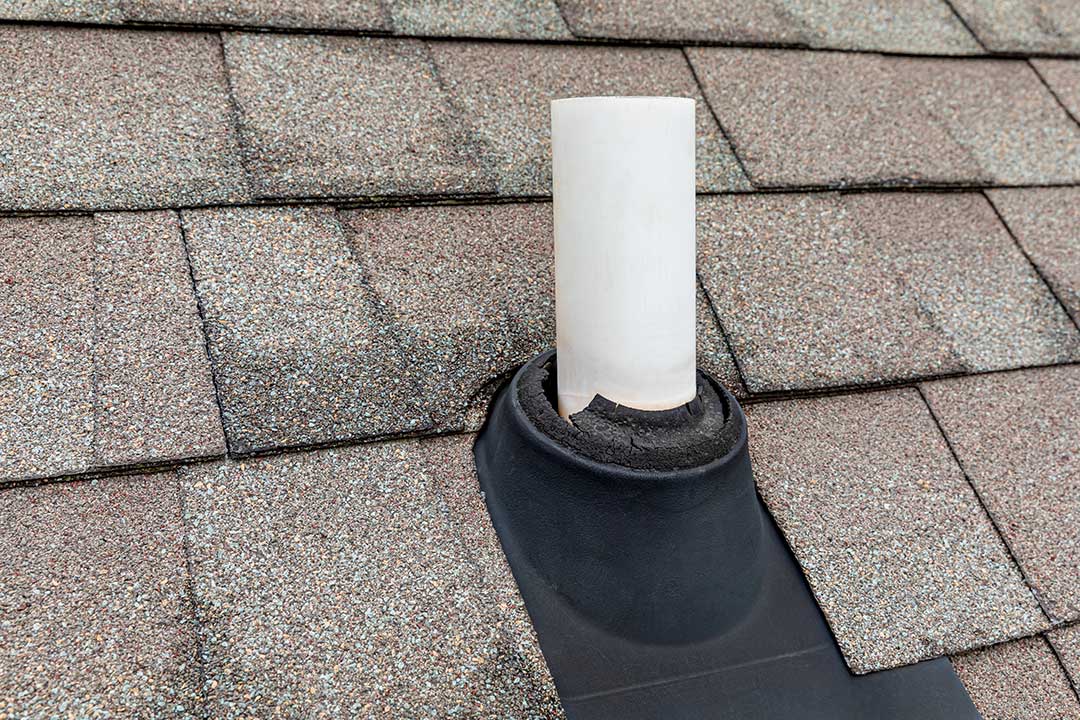
These symptoms might point to failing underlayment—or issues with installation, flashing, or ventilation. Homeowners tackling roof repairs themselves should take steps to address all sources of leaks and consider the hidden condition of the underlayment when diagnosing water problems.
What Are Common Misconceptions About Underlayment?
It’s a common misconception that underlayment alone can prevent all leaks. While it’s a crucial line of defense, it’s not a substitute for quality roof covering or proper flashing at valleys, chimneys, and vent pipes. It’s also mistaken to think all roofs need the thickest or most expensive underlayment available; each product is suited for particular locations and threats.
For example, synthetic underlayment may be excessive for a simple garage but necessary for complex roof lines subject to wind-driven rain or ice build-up.
How Does Underlayment Fit Into a Typical Roofing Project in Baldwinsville?
In a roof replacement or major repair, workers install underlayment after preparing the roof deck and before placing the outer roofing material. Typical steps include:
- Inspecting for damaged decking or rot
- Rolling or adhering the chosen underlayment, often starting at the lowest roof edge and overlapping courses up to the ridge
- Installing extra ice-and-water shield along eaves, valleys, and penetrations based on local code and known trouble spots
- Laying roofing shingles, metal panels, or tiles over the protected surface
In many Baldwinsville homes, layered protection against ice and water is the norm due to the winter climate.
What Should Area Households Watch for When Choosing Underlayment?
There’s no single right answer for every home. Residents should consider:
- Home age and roof style: Historic homes or steep pitches may need specialized materials.
- Past leak history: Recurrent ice dams or rain leaks may call for beefed-up “ice-and-water” coverage.
- Typical winter conditions: Heavier snow and frequent freeze/thaw cycles demand more robust protection, especially along eaves.
- Building code guidance: Always align with current local safety standards.
By understanding its purpose and limits, residents can make better choices for long-term roof health, reduce the risk of water damage, and feel confident managing or discussing upcoming roofing projects, whatever New York’s seasons bring.
