

How Can Holiday Decoration Storage Impact Roof Health in Baldwinsville, NY?
Improperly storing or handling holiday decorations can result in costly roof problems, especially in Baldwinsville, NY, where winter weather and roof types vary. Many roofs here, from steep colonial styles to ranch homes with broad rooflines, are vulnerable to damage if heavy items or foot traffic are involved. Simple oversight—like placing heavy bins in attics or dragging ladders—can lead to shingle damage, leaks, and insulation problems.
Residents often overlook the risks of attic stowage, overloading, and careless outdoor removal. Given the snow loads common in the region, even seasonal decoration habits can stress your home’s roofing system.
Where Should Holiday Decorations Be Stored to Avoid Roof Issues?
Storing holiday decorations properly means keeping both indoor and outdoor roof areas safe. Avoid heavy storage directly on roof rafters in attics, and don’t hang items from roof fixtures that aren’t designed for weight.
If you have attic storage, use these local best practices:
- Only store lightweight decorations in attics. Heavy items can stress roof framing, especially in older homes.
- Use shelving spaced between rafters to keep weight off roof decking.
- Never pile boxes against vents or block insulation, which can lead to moisture and ice damming problems.
- In finished attics, ensure insulation isn’t compacted by bins, as this reduces energy efficiency and can create condensation.
If your home doesn’t have an attic or if space is limited, consider climate-stable places like basements, closets, or designated garage shelving. These minimize the risk of loading issues above the living spaces.
What Are Safe Practices for Outdoor Decoration Mounting and Removal?
The right installation approach protects roofs and keeps decorations secure through Baldwinsville’s winter winds and snow. Permanent fasteners (like nails or screws) should never be inserted into shingles, gutters, or trim, as they create leak risks.
Safer approaches:
- Use removable plastic clips designed for eaves or gutters, which won’t pierce materials or disrupt drainage.
- When setting up or removing lights, always use a stable ladder that doesn’t touch the roof surface itself. Placing weight directly on asphalt shingles, especially in cold weather, can cause cracking or granule loss.
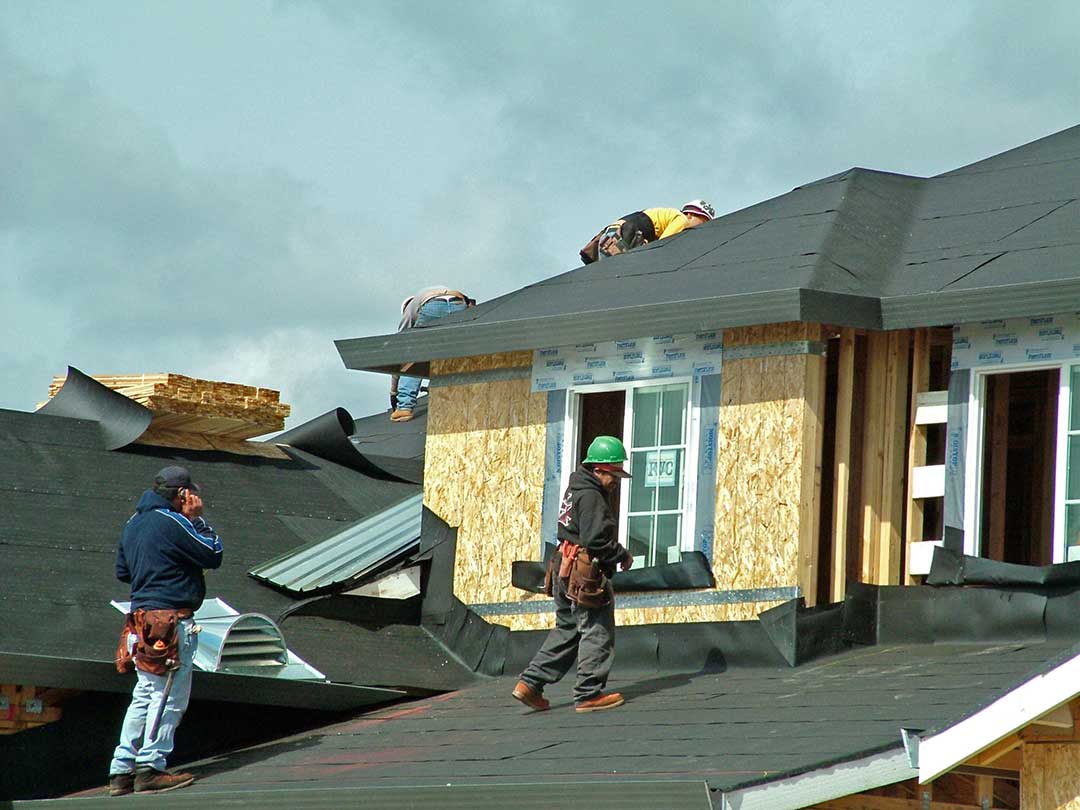
- Avoid walking on the roof, even for quick decoration removal. Snow and ice make surfaces especially slippery, and excess foot traffic can damage shingles and hidden flashing.
If rooftop access is unavoidable, limit movement to dry, clear days and stepped truss locations (where your body weight is supported by sturdy framing, not just decking).
Can Attic Storage Affect Roof Longevity in the Area?
Yes—attic storage habits can directly affect roof life in Baldwinsville, where fluctuating temperatures and heavy snows are routine. Excess storage weight can lead to subtle sagging or, over many years, structural issues. Additionally, blocking attic airflow or compacting insulation while storing decorations often leads to ice dams and condensation, potentially causing rot, mold, or early roof aging.
Common examples:
- Stackable plastic bins crammed into tight attic spaces may block soffit or ridge vents.
- Large artificial trees or outdoor décor jammed against insulation can disrupt the vapor barrier.
- Storing fabric or cardboard items near roof valleys increases the risk of moisture buildup and pests, due to limited airflow and temperature swings.
Lightweight, neatly organized storage on raised shelves, with at least a foot of clearance from insulation and vents, is the safest method for attic spaces in the region.
Are There Seasonal Considerations for Decoration Storage in This Climate?
Absolutely. Baldwinsville winters bring heavy snow, ice, and rapid freeze-thaw cycles. Decoration removal schedules should align with milder weather windows—preferably before severe cold sets in—to avoid walking on icy roofs or carrying heavy bins through slippery attic spaces.
Suggestions for the local climate:
- Remove outdoor decorations promptly after the holidays, before roofs collect snow loads.
- Organize stored items for quick access in late fall and early winter, making next season’s setup safer and faster.
- Ventilate attics well in spring and fall, checking for signs of moisture or insulation displacement caused by prior storage.
- Use clear storage bins, not cardboard, to minimize moisture and pest problems during humid summers and subzero winters.
What’s the Safest Way to Handle Large or Bulky Decorations?
Bulky items like oversized wreaths, lawn inflatables, or tall artificial trees can be awkward to store safely. For homes without spacious basements, consider:
- Collapsible storage racks set up in garages, which keep weight off overhead attic areas.
- Wall or ceiling hangers in utility rooms (as long as they do not puncture vapor barriers or insulation in roof/attic spaces).
- If attic use is necessary, dismantle large items so they fit easily without crowding rafters or compressing insulation, and tie them off securely to prevent shifting.
Avoid dragging these items across attics or roof surfaces—such movement is a common but underestimated cause of scuffing and shingle loosening.
What Are the Most Common Mistakes Residents Make?
A few frequent missteps increase roof risk:
- Walking on icy roofs to hang or remove decorations.
- Overloading attic spaces with heavy bins.
- Blocking attic vents or compressing insulation with storage.
- Using screw-in hooks or nails directly in roofing, gutters, or fascia.
- Storing items that attract rodents or collect moisture in unsealed attics.
Being aware of these mistakes helps area residents protect home value and avoid preventable repairs.
