
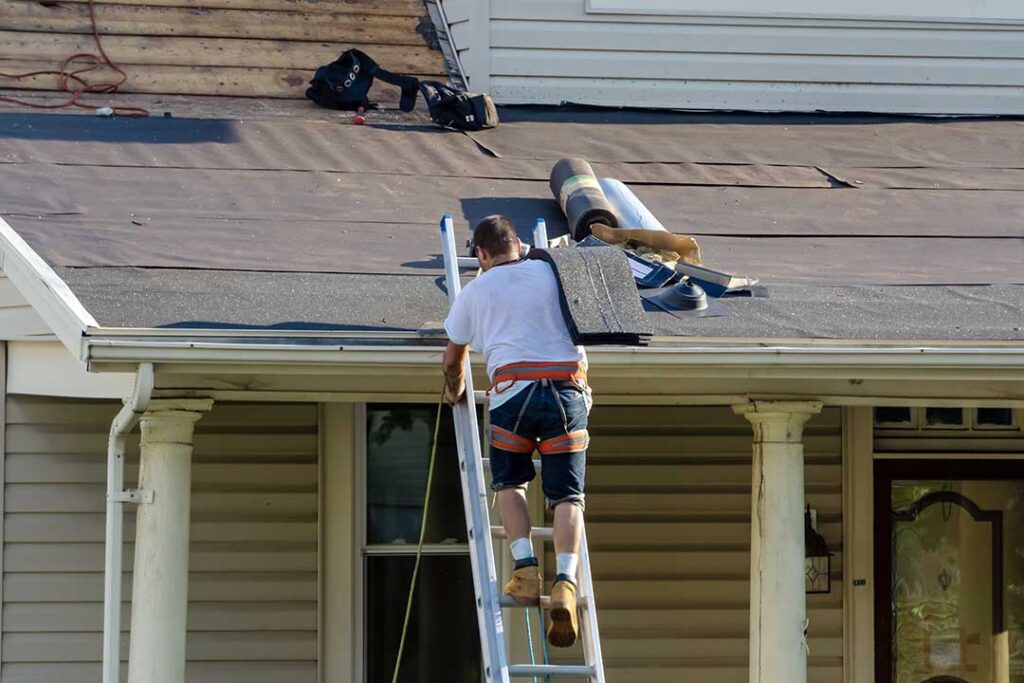
A roof in Baldwinsville, NY must handle freezing temperatures, snow, ice, wind, rain, summer heat, falling leaves, and repeated freeze-thaw cycles. A seasonal maintenance routine helps identify small problems before they become leaks, insulation damage, or interior repairs.
Roof maintenance does not mean climbing onto the roof several times a year. Many useful checks can be completed from the ground, attic, or upper-floor rooms. Roof surfaces become slippery and unstable, especially after rain, frost, or snow. Any inspection involving steep slopes, fragile materials, or difficult access should be left to someone trained and properly equipped.
What should be checked in early spring?
Spring is the right time to look for damage caused by winter weather. Snow weight, ice formation, wind, and repeated thawing can affect shingles, flashing, gutters, and roof edges.
Start with a ground-level inspection. Look for:
- Missing, cracked, curled, or displaced shingles
- Shingle granules collecting near downspouts
- Bent or loose metal flashing around chimneys, vents, and wall intersections
- Sagging roof lines
- Damaged soffits, fascia, or gutters
- Branches or other debris resting on the roof
Check the attic on a dry day if it is safely accessible. Dark stains, damp insulation, mold-like growth, rusted fasteners, or daylight visible through the roof sheathing may indicate water entry. A roof leak does not always appear directly below the damaged area because water can travel along rafters and decking.
Gutters and downspouts deserve particular attention in spring. Remove leaves, ice remnants, and roof debris, then confirm that downspouts discharge water away from the foundation. Water spilling over the sides can damage fascia, siding, landscaping, and basement areas.
How can summer maintenance prevent roof problems?
Summer maintenance focuses on heat, ventilation, storms, and vegetation. A roof can appear sound from below while attic temperatures and moisture levels create long-term problems.
After strong wind or thunderstorms, inspect the property from the ground. Check for lifted shingles, exposed underlayment, damaged vents, and fallen branches. Do not assume a roof is undamaged simply because there is no ceiling stain. Some storm-related openings may allow water into the roof assembly without immediately reaching the living space.
Attic ventilation should also be considered. Excessive heat and moisture can contribute to premature aging of roofing materials, condensation, and deterioration of wood components. Warning signs include:
- Persistent musty odors
- Frost or moisture on the underside of the roof deck during colder months
- Damp insulation
- Peeling paint near upper ceilings
- Uneven indoor temperatures near the top floor
Ventilation systems should not be blocked by insulation. However, adding vents without understanding the existing airflow can create an unbalanced system. The goal is steady intake and exhaust airflow, not simply the largest possible number of vents.
Trees should be trimmed carefully where branches rub against the roof or overhang it heavily. Vegetation near a roof can add shade and beauty, but it may also drop leaves, hold moisture against roofing materials, and provide access for animals. Trimming should be done from a safe position, with extra caution around electrical lines.
What should homeowners do before fall?
Fall preparation is especially useful in a community where mature trees and seasonal leaf drop can place additional debris in roof drainage systems. The main tasks are clearing drainage paths, checking seals, and preparing for snow.
Clean gutters and downspouts before leaves accumulate heavily. If gutter guards are present, inspect them rather than assuming they eliminate maintenance. Small leaves, seed pods, pine needles, and roof granules can still collect on or beneath the guards.
Inspect areas where different materials meet. Common trouble spots include:
- Around chimneys and masonry walls
- Around plumbing vents and attic vents
- Along roof valleys
- At skylights and dormers
- Where a lower roof meets an upper wall
- Around roof edges and eaves
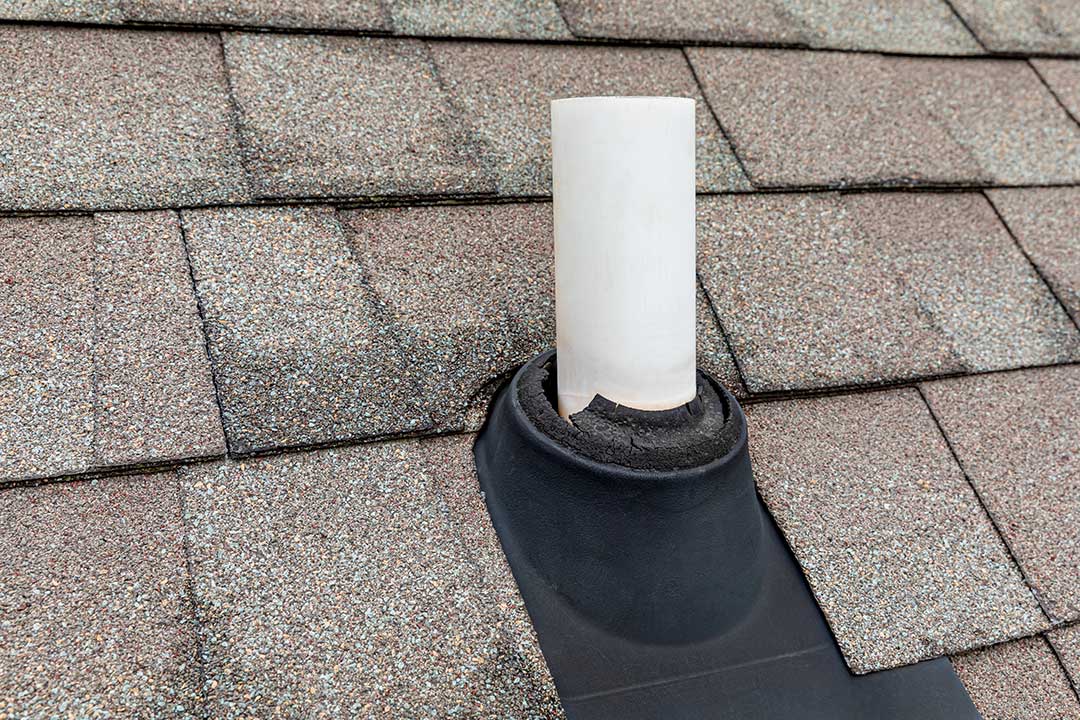
Flashing is designed to direct water away from vulnerable joints. Loose, corroded, cracked, or poorly sealed flashing deserves attention before winter weather arrives. Sealant alone is not always a permanent repair, particularly where metal has shifted or water is entering behind the flashing.
Before snow season, check that attic insulation is not blocking soffit vents. Also verify that bathroom and kitchen exhaust fans vent outdoors rather than into the attic. Warm, moist air released into an attic can condense on cold roof surfaces and resemble a roof leak.
How should a roof be monitored during winter?
Winter maintenance is mainly about observation and safe response. Snow and ice should never be removed by walking on the roof unless the work is performed with appropriate equipment and training.
From the ground, watch for:
- Large ice buildup along eaves
- Water dripping from unexpected locations
- Snow collecting unevenly
- Sagging gutters or roof edges
- Interior ceiling stains after thawing
- Icicles that indicate water is repeatedly reaching the roof edge
Icicles are not automatically proof of a roof defect. They can form from ordinary melting and refreezing, but extensive ice buildup may indicate heat loss, blocked drainage, or inadequate attic insulation and ventilation. Removing icicles from the ground can be hazardous because falling ice may injure people or damage property.
After a heavy snow, avoid piling additional snow against roof edges, vents, or exterior walls. Snow should not be placed where melting water can flow toward the foundation. If a roof shows visible sagging or structural movement, keep people away from the area below and arrange for a qualified assessment.
How often should gutters and roof surfaces be inspected?
A practical schedule is to inspect the roof drainage system in spring and fall, then check the roof from the ground after major storms. Homes surrounded by trees may need more frequent gutter checks.
A professional roof inspection may be appropriate when the roof is older, storm damage is suspected, the attic shows moisture, or the property is being bought or sold. Inspection frequency depends on roof age, material, slope, tree coverage, previous repairs, and exposure to wind and snow.
Routine inspection is different from unnecessary replacement. A few damaged shingles, deteriorated flashing, or clogged gutters do not automatically mean the entire roof needs to be replaced. Good maintenance begins by identifying the actual source and extent of a problem.
Which roof problems require prompt attention?
Some conditions should not wait for the next seasonal check. Prompt attention is warranted for active leaks, sagging, large areas of missing roofing, exposed decking, damaged flashing around a chimney, or water entering near electrical fixtures.
Inside the home, place a container beneath an active drip if it can be done safely, and move furnishings away from the affected area. Avoid touching wet electrical components. A ceiling bulge can contain trapped water; puncturing it without proper precautions may create additional hazards.
Small maintenance tasks are most effective when records are kept. Note the date of each inspection, photograph visible concerns from a safe location, and record repairs or recurring leak areas. This history can help distinguish a one-time storm issue from a developing ventilation, drainage, or structural problem.
What is the simplest seasonal checklist?
For a quick annual routine:
- Spring: Check for winter damage, clean gutters, inspect the attic, and confirm downspout drainage.
- Summer: Look for storm damage, review attic ventilation, and trim unsafe branches.
- Fall: Clean drainage systems, inspect flashing, and make sure insulation does not block soffit airflow.
- Winter: Monitor snow, ice, leaks, and roof-edge movement from the ground without climbing onto icy surfaces.
This approach keeps roof care focused on drainage, ventilation, weather damage, and safe observation—the areas most likely to affect a home through changing seasons.
