
Hanging seasonal lights can make a home welcoming, but the work involves ladders, electricity, roof surfaces, gutters, and winter weather. In Baldwinsville, NY, homeowners also need to account for snow, ice, wind, wet surfaces, and freeze-thaw conditions that can turn a simple decorating project into a fall or roof-damage hazard.
The safest approach is to keep people off the roof whenever possible, attach lights only to suitable edges or structural trim, and inspect the roof before installing anything.
Is it safe to walk on the roof to hang lights?
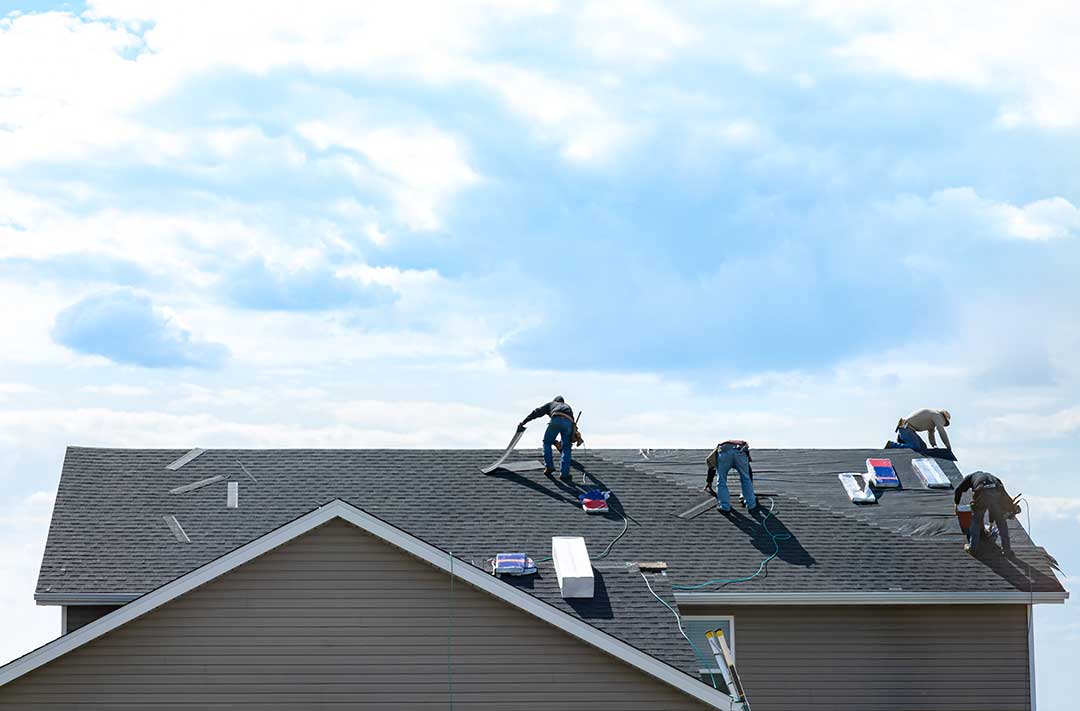
Usually, no. Most residential roof surfaces are steep, fragile, or difficult to access safely, and walking on them can damage shingles, loosen protective granules, or cause a fall.
Roof access is especially risky when shingles, metal surfaces, decking, or ladders are wet. Even a roof that looks nearly flat from the ground may be slippery because of dew, frost, leaves, or fine surface grit. In the colder months, ice can form on shaded roof sections and gutters before it is visible.
Use ground-level methods whenever possible:
- Hang lights from the lower roof edge, fascia, porch trim, or railings.
- Use a properly positioned extension ladder for reachable areas.
- Have a second adult stabilize the ladder and hand up materials.
- Avoid carrying bulky decorations while climbing.
- Stop work if wind, rain, frost, or snow makes the ladder or roof edge slippery.
A ladder should stand on firm, level ground, not on snow, ice, landscaping stones, or improvised blocks. Keep the ladder away from overhead electrical lines and maintain three points of contact while climbing.
What is the safest way to attach lights to a roof?
The safest attachment method is usually a lightweight, removable clip designed for the specific location. Clips can hold lights along gutters, shingles, fascia, or eaves without driving nails or staples into the roof.
Choose the clip type based on the surface:
- Gutter clips: Designed to rest on the front or back edge of a gutter without blocking water flow.
- Shingle-tab clips: Slide carefully under the lower edge of a shingle rather than puncturing it.
- Fascia or trim clips: Attach to suitable trim when the material is sound and the clip does not crush or crack it.
- Rail or porch clips: Useful for lower, accessible areas away from the main roof.
Do not force a clip under a shingle. If the shingle edge is brittle, lifted, cracked, or sealed tightly to the course below, forcing a clip underneath can break the seal or tear the material.
Avoid nails, screws, tacks, and staples unless the attachment point was specifically designed for them. Fasteners driven through shingles, flashing, fascia, or roof decking can create pathways for water. Staples can also cut through light cords and damage insulation.
Can lights be attached to gutters?
Yes, but the attachment should not interfere with drainage. Gutters need to carry rainwater and melting snow away from the roof and foundation. A clip that bends the gutter, blocks the outlet, or causes the light cord to sag into the water path can create problems.
Before installing lights:
1. Remove leaves and visible debris from the gutter.
2. Check that the gutter is not pulling away from the fascia.
3. Look for rust, cracks, loose joints, and sagging sections.
4. Use lightweight clips rather than tape or permanent fasteners.
5. Keep cords and light strings from forming low loops that can collect water or ice.
Do not use the gutter as a handhold while climbing. Gutters are not designed to support a person and may pull loose from the fascia.
How should the roof and lights be inspected first?
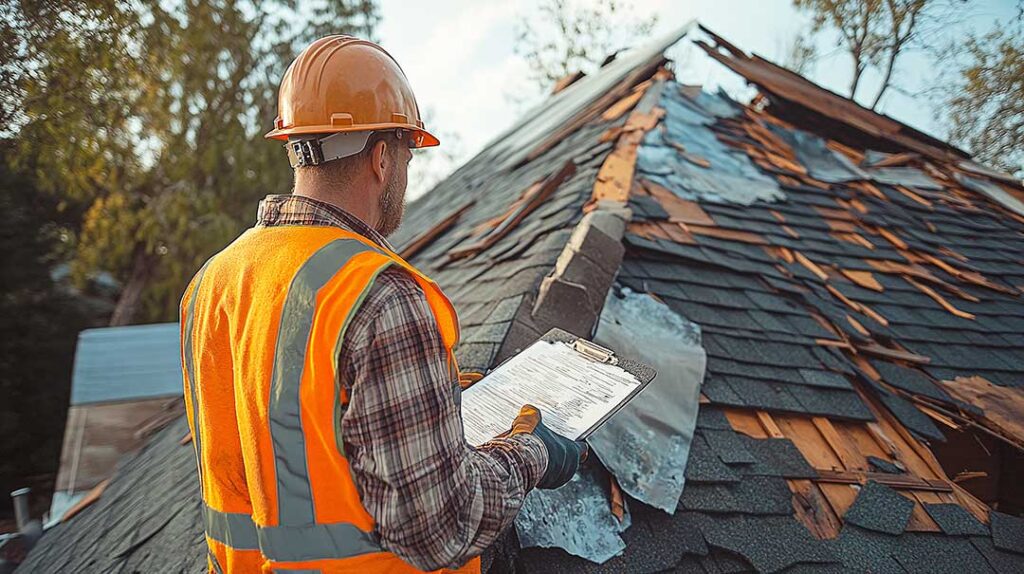
A ground-level inspection should happen before any ladder is placed. Look for signs that the roof or supporting trim should not be disturbed.
Postpone the project if you see:
- Missing, cracked, curled, or loose shingles
- Exposed underlayment or roof decking
- Loose flashing around chimneys, vents, or roof edges
- Sagging gutters or detached downspouts
- Soft, rotting, or split fascia
- Heavy moss or slippery surface growth
- Ice buildup or snow sliding from the roof
- Branches touching the roof or electrical wires
The light strings should also be inspected. Discard or isolate any string with cracked insulation, exposed wire, bent prongs, scorch marks, loose sockets, or water inside the connections. Outdoor-rated equipment is necessary for exterior use, and indoor-only cords should not be placed under eaves or across exterior walls.
How can electrical risks be reduced?
Exterior lighting should be connected to a ground-fault circuit interrupter, commonly called a GFCI. A GFCI is designed to shut off power when it detects an electrical imbalance, which can reduce shock risk in damp conditions.
Use the following precautions:
- Follow the light manufacturer’s limits for connecting multiple strings.
- Use outdoor-rated extension cords and connectors.
- Keep plug connections elevated and protected from puddles.
- Do not run cords through doors or windows where they can be pinched.
- Keep cords away from sharp metal edges, hot surfaces, and moving equipment.
- Do not overload an outlet or rely on loose adapters.
- Turn lights off before adjusting, moving, or removing them.
- Unplug decorations before storms or when leaving the home unattended.
Water-resistant connection covers can help shield plugs, but they are not a substitute for properly rated equipment or a GFCI-protected circuit.
What should homeowners know about snow, ice, and wind?
Lights that are secure in dry autumn weather may become hazardous after winter weather arrives. Snow and ice add weight to light strings, clips, gutters, and roof edges. Wind can pull cords against shingles or cause hanging sections to swing into siding, trim, or nearby branches.
Leave enough slack for normal movement, but do not allow large loops to hang below the roof edge. Keep lights away from areas where snow naturally slides from the roof. A snow slide can pull down a light string, damage guttering, or create a falling-object hazard near walkways and entrances.
After a significant storm, inspect the installation from the ground. If a cord is dangling, a clip has pulled loose, or ice has formed around the lights, do not tug on it from a ladder. Wait for safer conditions, disconnect power if it can be done without exposure to water, and avoid standing beneath the affected area.
Is it safe to leave roof lights up all winter?
It depends on the equipment, installation, and weather exposure. Lights rated for outdoor use may tolerate winter conditions, but prolonged snow, ice, wind, and freeze-thaw movement can still loosen clips or damage cords.
Remove the lights before spring if they are no longer needed. Leaving clips in place for extended periods can stain or stress some surfaces, while repeated movement can wear against shingles, metal, or painted trim. Removal should be done from a stable ladder or from the ground using a safe tool—not by pulling the cord from below.
Never yank a light string to remove several clips at once. Pulling can loosen shingles, bend gutters, or damage the wiring.
When should the project be stopped?
Stop immediately if the roof edge, ladder, or work area becomes slippery; if wind moves the ladder or light strings; or if the installation requires stepping onto an unstable surface. The same applies when roof damage, loose gutters, deteriorated trim, or electrical defects are discovered.
Some conditions are not appropriate for a do-it-yourself decorating project, particularly damaged roof edges, steep or multi-story sections, overhead electrical hazards, active leaks, or ice-covered surfaces. In those situations, avoiding the area is safer than trying to complete the installation quickly.
A well-planned display should be removable, supported by sound trim or properly fitted clips, clear of drainage paths, and connected to outdoor-rated, GFCI-protected power. The goal is decoration that does not compromise the roof system or create a hazard for people walking below.
