
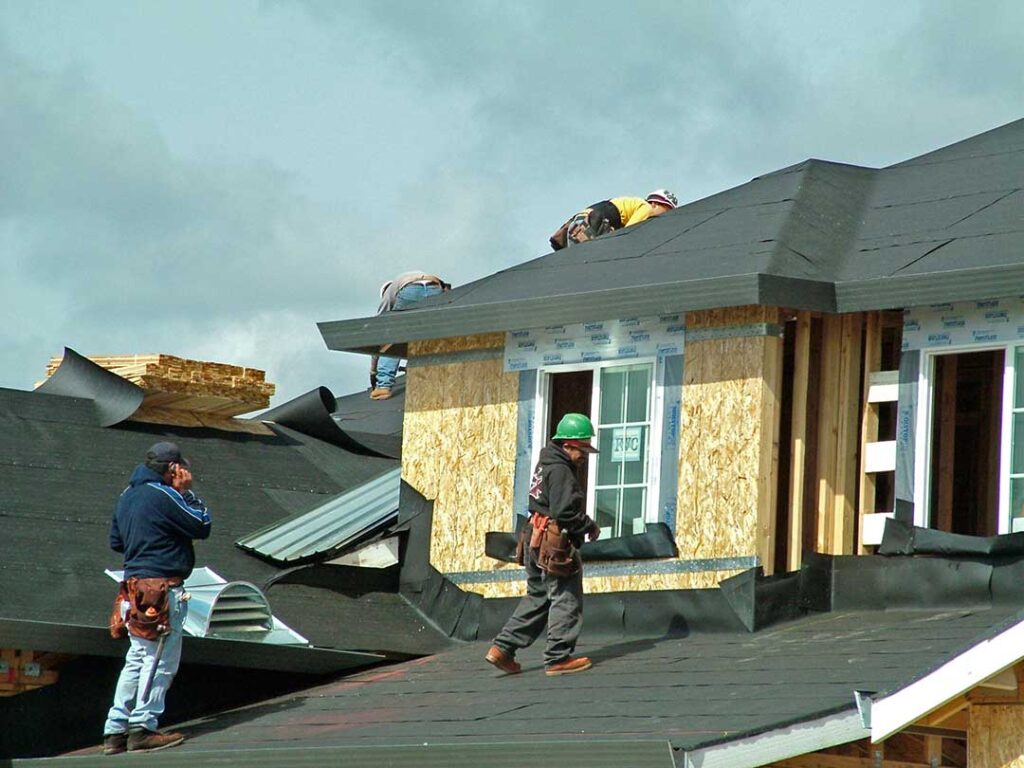
Roofing technology is changing in practical ways, not just through flashy new materials. Improvements in shingle design, attic ventilation, insulation, solar integration, leak detection, and reflective surfaces are helping roofs manage snow, rain, summer heat, moisture, and energy use more effectively.
For households in Baldwinsville, NY, the most useful innovation is usually the one that works well across four seasons. A roofing system must handle winter freeze-thaw cycles, wind-driven rain, summer humidity, heavy snow, and the gradual effects of ice and moisture in the attic.
What counts as an innovation in roofing?
A roofing innovation is any material, design, installation method, or monitoring system that improves a roof’s performance. That improvement may involve durability, energy efficiency, water resistance, ventilation, safety, or maintenance.
Examples include:
- Shingles made with stronger reinforcement and improved resistance to wind and impact
- Synthetic underlayments that are lighter and more uniform than older felt products
- Ice-barrier membranes used in vulnerable roof areas
- Advanced attic insulation and air-sealing systems
- Solar roofing systems that combine electricity generation with roof protection
- Reflective roof surfaces that reduce summer heat absorption
- Sensors and cameras that help identify moisture before visible interior damage occurs
- Digital roof measurements and aerial imaging that improve planning without repeated ladder access
Not every new product is appropriate for every home. Roof slope, framing, ventilation, insulation, existing layers, solar exposure, and local weather conditions all affect whether a technology is useful.
Are modern shingles more durable than older shingles?
Many current asphalt shingles use fiberglass reinforcement, improved adhesive strips, and more carefully engineered surface granules. These features can improve resistance to wind uplift, ultraviolet exposure, and ordinary weathering, but they do not make a roof immune to damage.
Impact-resistant shingles are another developing category. Some are designed and tested to better withstand hail or falling debris. Their performance depends on the specific product, installation quality, roof slope, and the severity of the impact. A stronger shingle can reduce the chance of damage, but it cannot prevent every puncture or tear.
Homeowners should also distinguish between a product’s laboratory rating and actual roof performance. Flashing, valleys, penetrations, edges, and fastening patterns remain critical. A high-performance shingle installed over wet decking or poorly detailed flashing can still lead to leaks.
How are attic systems becoming more efficient?
Modern roofing design increasingly treats the roof, insulation, air barrier, and ventilation as one system. This is especially relevant in a cold-weather region, where warm indoor air escaping into a cold attic can contribute to condensation, frost, and uneven snow melting.
Improved roof assemblies may include:
- More complete air sealing around plumbing, wiring, chimneys, and recessed fixtures
- Higher levels of insulation at the attic floor or roofline
- Ventilation pathways that allow air to move from lower roof edges toward the ridge
- Raised-heel trusses that provide more room for insulation near the exterior walls
- Carefully designed unvented roof assemblies using air-impermeable insulation
New York’s residential code includes detailed requirements for roof-ceiling assemblies, insulation, air barriers, and certain unvented attic configurations. The correct approach depends on the building design, insulation type, roof slope, and whether the attic is ventilated or conditioned. ([dos.ny.gov](https://dos.ny.gov/nys-residential-code-noa-7242025?utm_source=openai))
A common misconception is that adding more attic vents automatically solves moisture problems. Ventilation cannot compensate for major air leaks from the living space, blocked soffit pathways, inadequate insulation, or bathroom exhaust that terminates in the attic.
Do cool roofs make sense in a northern climate?
Cool roofs use surfaces with higher solar reflectance and thermal emittance. They absorb less solar heat and release absorbed heat more effectively than some darker conventional surfaces. The U.S. Department of Energy and the Environmental Protection Agency describe these properties as important measures of roof temperature and cooling performance. ([energy.gov](https://www.energy.gov/cmei/buildings/zeb-technologies-building-envelope-architectural-considerations?utm_source=openai))
Reflective roofing can reduce summer heat gain, especially on low-slope roofs, additions, garages, and buildings with limited attic insulation. However, the benefit is more climate-dependent in Baldwinsville than in a hot, cooling-dominated region. During a long heating season, a highly reflective surface may reduce some helpful winter solar gain. The Department of Energy notes that cool roofs generally provide their greatest energy savings in warm climates and can produce different results in colder climates. ([energy.gov](https://www.energy.gov/cmei/femp/purchasing-energy-efficient-cool-roof-products?utm_source=openai))
For local homes, insulation, air sealing, and moisture control may provide a more dependable energy benefit than choosing a highly reflective roof color alone. Reflective materials can still be useful, but they should be evaluated as part of the complete roof assembly.
How does solar technology fit into roofing?
Solar panels are commonly installed above a finished roof using mounting hardware. Newer solar roofing products integrate photovoltaic cells into roofing components rather than placing separate panels over them.
The main planning issue is not simply whether the roof receives sunlight. The roof’s remaining service life matters as well. Installing solar equipment on a roof that may need replacement soon can create additional labor and material complications later.
Solar-ready planning may include:
- Checking roof age and structural condition before installation
- Mapping shade from trees, chimneys, and nearby structures
- Protecting waterproofing around mounting points
- Coordinating electrical equipment with roof access and snow conditions
- Leaving safe pathways for maintenance and emergency access
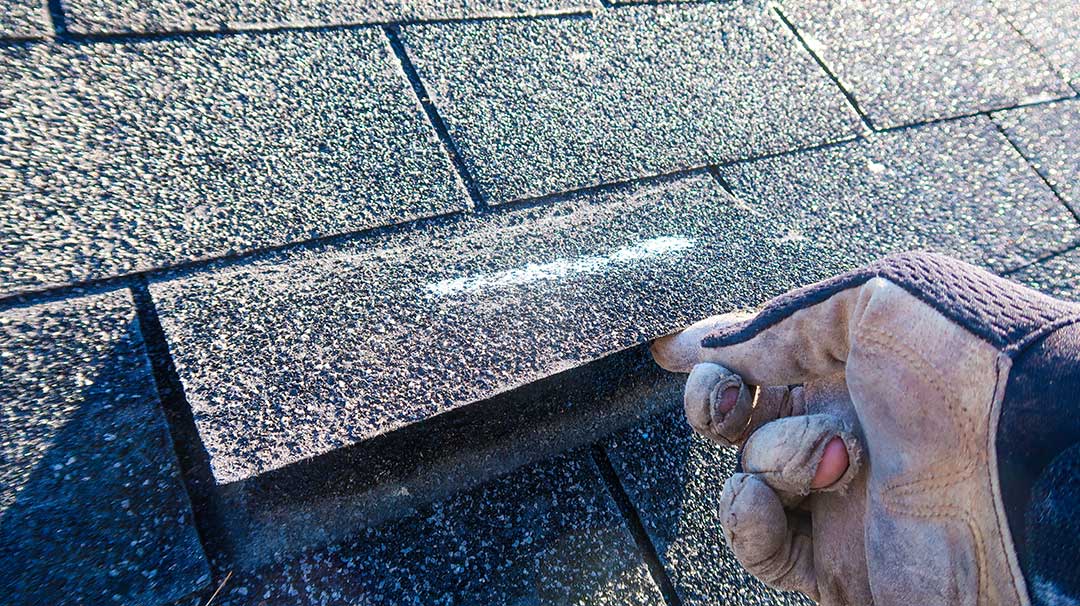
Solar technology can be valuable, but it does not eliminate the need for sound flashing, drainage, underlayment, and roof maintenance.
What role do sensors and digital inspections play?
Roof monitoring technology is becoming more common on larger buildings and in complicated roof systems. Moisture sensors, temperature sensors, aerial imagery, and infrared inspections can help identify wet insulation, blocked drainage, heat loss, or areas of unusual temperature.
These tools are most useful for finding patterns that are difficult to see from the ground. For example, a moisture sensor may identify a wet area before staining appears on an interior ceiling. Infrared equipment can sometimes reveal temperature differences associated with missing insulation or trapped moisture, although readings must be interpreted carefully.
Technology is not a substitute for physical inspection. A camera may identify a suspicious area, but it may not show whether the cause is damaged flashing, wind-driven rain, condensation, or an interior plumbing problem.
Are green roofs and roof gardens practical for local homes?
Vegetated roofs can absorb rainfall, reduce roof temperatures, and provide habitat. They are more common on low-slope structures designed to carry the added weight of saturated growing media, plants, drainage layers, and snow.
That weight makes structural evaluation essential. A typical pitched residential roof should not be converted into a planted roof simply by adding soil and vegetation. Drainage, waterproofing, root protection, access, and seasonal maintenance must all be considered.
For many area households, smaller-scale approaches—such as rain gardens at ground level, properly directed downspouts, or durable roofing materials with long service lives—may offer environmental benefits with fewer structural complications.
Which innovations matter most for an older home?
The most valuable upgrade is often not the newest visible product. For an older home, priorities commonly include:
- Correcting leaks at valleys, chimneys, walls, and roof penetrations
- Improving attic air sealing and insulation
- Restoring clear drainage at gutters and downspouts
- Replacing deteriorated underlayment or flashing during reroofing
- Adding appropriate ice-barrier protection where required
- Improving ventilation without creating openings for wind-driven snow
- Choosing materials suited to the roof slope and expected snow exposure
The best roofing technology is the one that addresses the building’s actual weak point. A stronger shingle will not solve attic condensation, and a new ventilation product will not repair failed flashing. Durable results come from matching materials, detailing, and installation methods to the structure and the local four-season climate.
